
Sleep Disorders
March 19, 2026
Intelligent Integration Solutions
March 19, 2026
The core objective of adopting intelligent health monitoring devices in hospitals is to leverage technology to reshape healthcare service workflows,driving a smart upgrade from a "treatment-centered" model to a "prevention and management-centered" approach.
-Enhancing Clinical Efficiency and Diagnostic Precision
l Real-Time Data Acquisition: Monitoring devices continuously capture key vital signs—including heart rate, respiratory rate, blood pressure, blood oxygen saturation, and temperature—overcoming the limitations of traditional intermittent measurements.
l Clinical Decision Support: AI-powered algorithms analyze long-term trend data to identify abnormal fluctuations, providing physicians with objective evidence to support personalized treatment adjustments.
l Optimized Triage Workflows: Smart devices deployed in waiting areas enable basic vital sign screening, flagging critical patients to ensure prioritized treatment for the most urgent cases.
-Strengthening Chronic Disease Management and Preventive Intervention
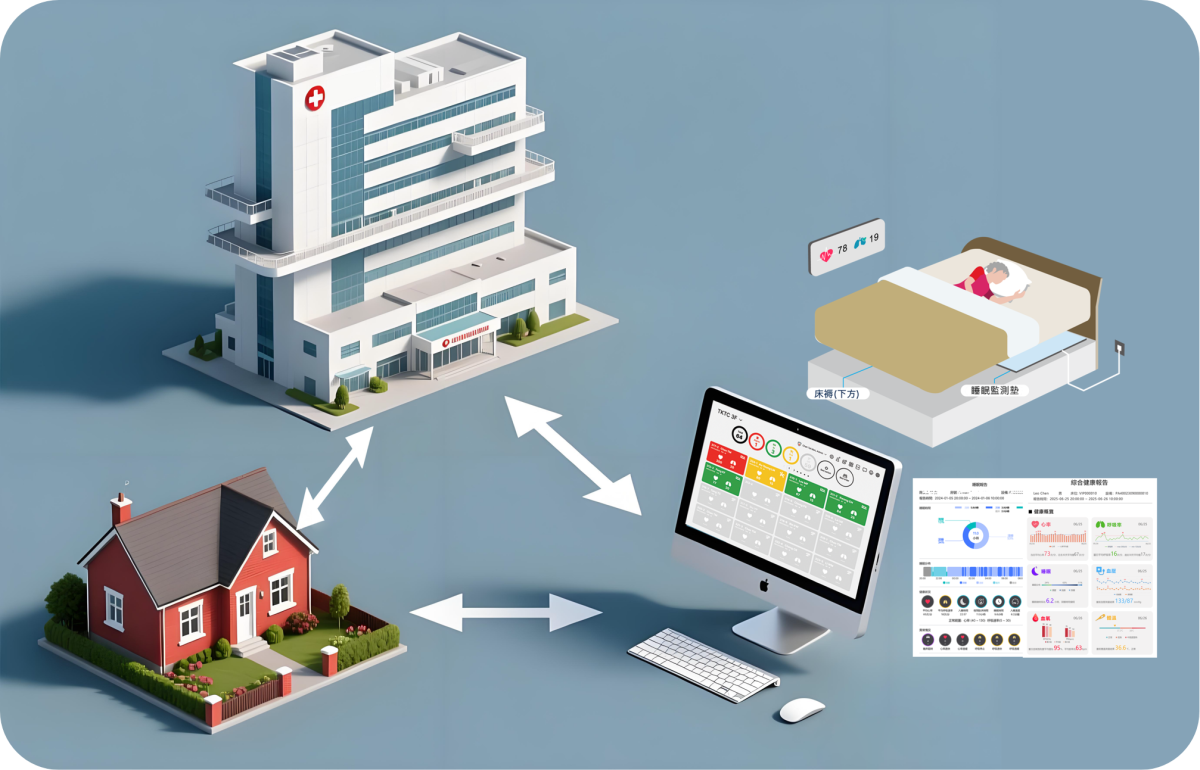
l Building an "In-Hospital to Out-of-Hospital" Closed Loop: Patients with chronic conditions such as hypertension and diabetes can use monitoring devices at home, with data automatically synchronized to the hospital platform, allowing physicians to remotely adjust treatment plans and reduce the frequency of in-person follow-up visits.
l Reducing Complication Risks: Continuous monitoring and early warning capabilities significantly lower the incidence of emergency visits and hospitalizations caused by sudden deteriorations.
-Optimizing Resource Allocation and Operational Costs
l Reducing Staffing Burdens: Automated monitoring replaces routine repetitive nursing tasks, alleviating pressure on healthcare personnel..
l Lowering Healthcare Expenditure: Estimates indicate that remote chronic disease management can reduce average annual per-patient healthcare costs by approximately 28% (with a prevention-to-treatment investment ratio of 1:8).
l Improving Bed Turnover Rates: In smart ward settings, a nurse station model enables real-time patient monitoring, reducing the frequency of manual rounds and supporting "unobtrusive monitoring," thereby enhancing overall bed utilization efficiency.